The British obsession with digital escapism is reaching new heights. We’re talking about an average of 4-6 hours a day spent glued to our screens, and it’s not just about binge-watching our favorite shows or scrolling through social media. People are using the internet for education, creativity, and even relaxation.
The Rise of Online Learning
Platforms like Coursera and Udemy have made it easier than ever to learn new skills or pursue new interests. Want to become a master chef or a skilled coder? There’s a course for that. And it’s not just about the technical skills – online learning has also enabled people to develop new hobbies and interests, like photography or woodworking.
The Power of Virtual Communities
The internet has given us the opportunity to connect with others who share our passions and interests. Online forums and social media groups have become hubs for people to share ideas, swap tips, and collaborate on projects. Whether it’s a group of DIY enthusiasts building a community garden or a group of writers sharing their latest drafts, the internet has opened up new possibilities for social connection and collaboration.
The Unplanned Treasures of the Internet
But the internet is full of surprises – the kind of treasures you stumble upon when you’re not even looking. Obscure YouTube channels, hidden corners of Reddit, and unexpected online discoveries can be a source of endless entertainment and fascination. Whether you’re a digital nomad or just someone who loves to explore, the internet has a way of surprising and delighting.
From Virtual Escapes to Real-Life Breakthroughs
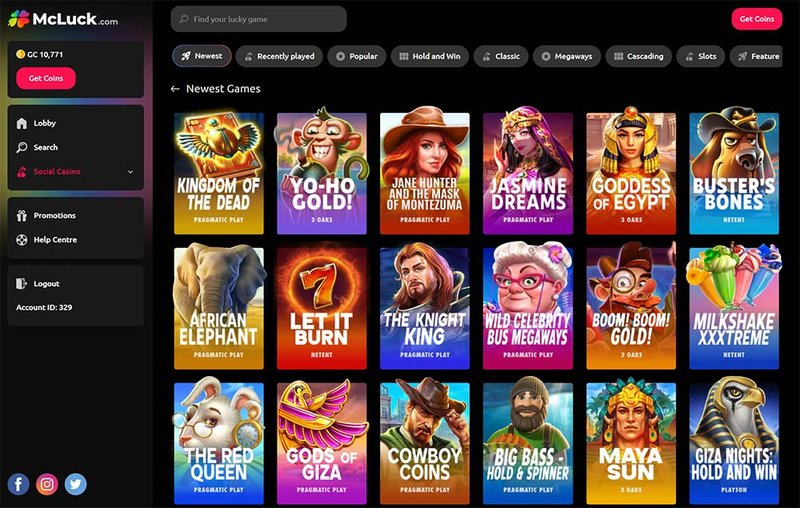
Some people use digital escapes like the ‘unlimluck app’ from unlimluck app as a way to unwind and relax, but for others, these experiences have sparked new creative ideas and insights. A writer might find inspiration in a virtual world, while an artist discovers a new style online. The internet has the power to surprise and inspire in ways we never thought possible.
The Future of Digital Escapes
As technology continues to evolve, our digital escapes will likely become even more immersive and engaging. Virtual reality and streaming services are just a few examples of the exciting developments on the horizon. But it’s not just about the tech – it’s about the connections we make and the experiences we share online.
The Bottom Line
So what’s next for Britain’s digital obsession? One thing is clear: the internet is here to stay, and it’s up to us to harness its potential to create a more connected, creative, and inspiring world.
Frequently Asked Questions
What are the primary reasons behind Britain’s growing obsession with digital escapism?
People are using the internet for education, creativity, and relaxation, leading to an average of 4-6 hours a day spent glued to screens.
How have online learning platforms contributed to Britain’s digital escapism?
Platforms like Coursera and Udemy have made it easier than ever to learn new skills or pursue new interests, adding to the digital escapism trend.
What are the potential consequences of excessive digital escapism on British society?
Excessive digital escapism can lead to decreased face-to-face interaction, poor mental health, and decreased productivity.
What steps can individuals take to maintain a healthy balance between digital escapism and real-life activities?
Individuals can set screen time limits, prioritize face-to-face interactions, and engage in offline hobbies and activities to maintain a balance.